More than three years after the sudden outbreak of violence in April 2023, Sudan remains locked in a humanitarian catastrophe of staggering, unprecedented dimensions. Officially classified as the world’s largest internal displacement and protection crisis, the conflict between the Sudanese Armed Forces (SAF) and the paramilitary Rapid Support Forces (RSF) has plunged over half of the nation’s population into a daily fight for survival.
Yet, as global newsfeeds remain dominated by other geopolitical conflicts, Sudan’s tragedy continues to unfold in a media vacuum.
This breaking news analysis breaks down the ongoing military deadlock, the escalating humanitarian disaster, and the structural reasons why the world’s worst crisis remains tragically off the front page.
1. The Human Cost: Famine, Flight, and Collapse
The numbers emerging from Sudan are not just statistics; they represent the systemic collapse of an entire nation.
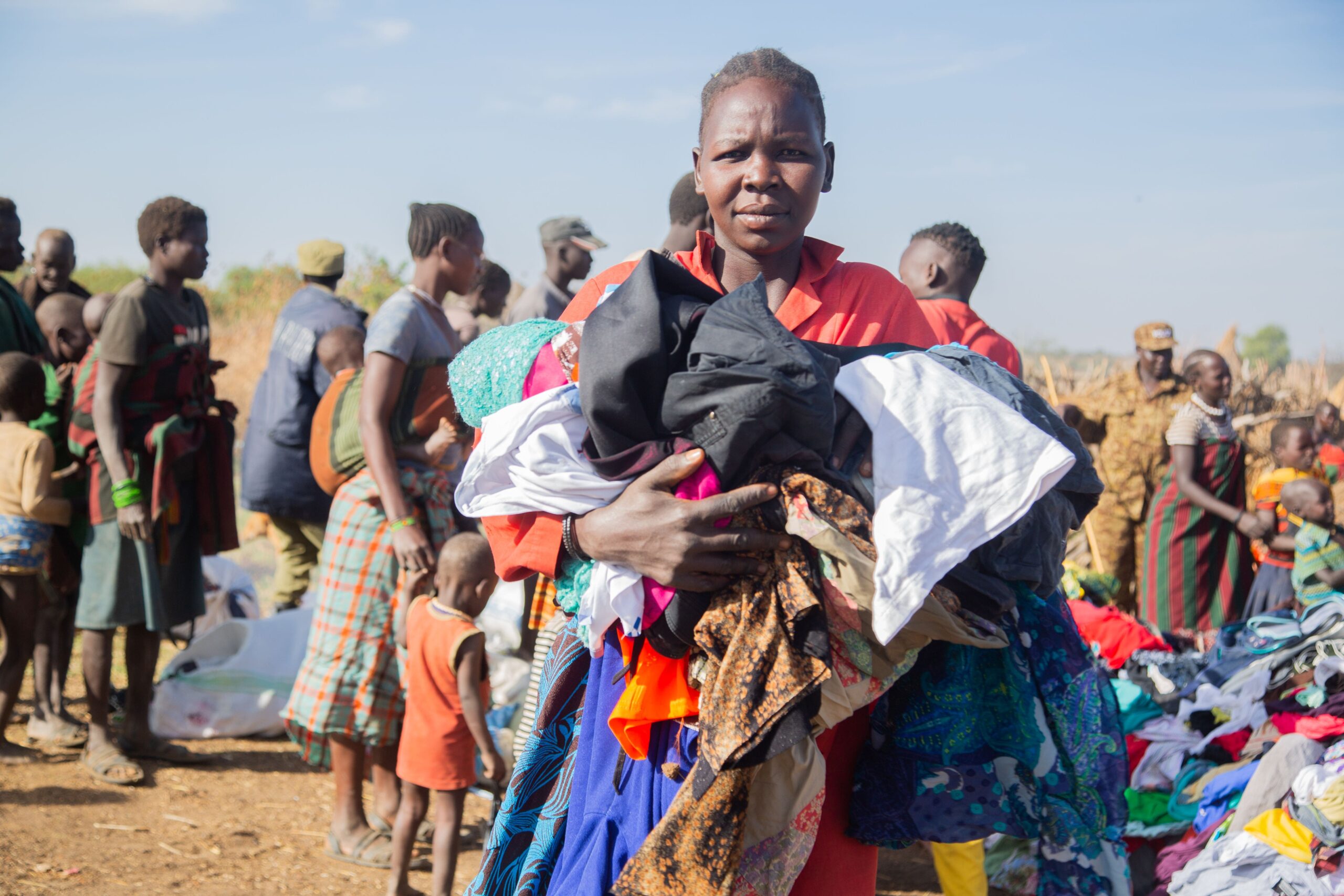
- Unprecedented Displacement: More than 14 million people have been forced to flee their homes since the conflict began. According to the United Nations Refugee Agency (UNHCR), approximately 9 million people are internally displaced within Sudan, while over 4.5 million have crossed borders into neighboring countries like Chad, South Sudan, and Egypt, severely straining nations that are themselves facing economic and security challenges. (Source: reliefweb)
- The Famine Catastrophe: An estimated 33.7 million people (nearly two-thirds of the population) now require urgent humanitarian assistance. Famine conditions are actively persisting across Greater Darfur (such as the Zamzam camp and El Fasher) and Greater Kordofan. UN agencies warn that 19.5 million people face crisis levels of acute food insecurity, with over 825,000 children under five suffering from Severe Acute Malnutrition (SAM), the deadliest form of starvation. (Source: WHO)
- A Health System in Ruins: Over 37% of Sudan’s healthcare facilities are completely non-functional due to targeted attacks, severe shortages of medical supplies, and the displacement of medical staff. Outbreaks of cholera, dengue fever, and measles continue to spread unchecked through overcrowded displacement camps. (Source: WHO)
2. The Military Deadlock: A Tech-Driven War of Attrition
On the ground, the war has devolved into a brutal, highly fragmented deadlock with neither side able to secure a decisive victory. The front lines have effectively hardened into a de facto territorial division:
The SAF’s Territorial Consolidation
Led by General Abdel Fattah al-Burhan, the SAF has successfully consolidated its control over parts of the capital, Khartoum, and established administrative control in the east, signaling state sovereignty. Supported by strategic allies, the SAF has increasingly relied on offensive drone technology and heavy airstrikes to counter RSF strongholds, though often at the cost of civilian infrastructure.
The RSF’s Western Strongholds
Led by Mohamed Hamdan “Hemedti” Dagalo, the RSF maintains dominant control over large swathes of Darfur and parts of Kordofan. Bolstered by a continuous influx of external weaponry, including loitering munitions (suicide drones), the RSF continues to launch destabilizing long-range strikes against SAF infrastructure and civilian populations.
Proxy Dynamics and Regional Spillover
The conflict is heavily sustained by external actors supplying sophisticated weaponry, turning Sudan into a proxy battleground. This external interference, combined with cross-border movement of fighters, has heightened fears of a broader, long-term destabilization of the Horn of Africa and the Sahel region.
3. The Media Blackout: Why Is Nobody Talking About Sudan?

If Sudan represents the world’s most severe humanitarian crisis, why does it struggle to secure media real estate? The answer lies in a combination of structural barriers, geopolitical biases, and active suppression.
Extreme Danger and Media Blackouts
Sudan is currently one of the most hostile environments in the world for journalists. Local reporters face systematic harassment, arbitrary arrest, and targeted violence from both warring factions. International journalists face near-insurmountable bureaucratic hurdles to obtain visas or travel permits. Without boots on the ground to capture high-definition video and photojournalism, the crisis remains visually abstract to the global public.
Geopolitical Distraction
Global diplomatic attention and Western media resources are heavily consumed by highly visible conflicts in Eastern Europe and the Middle East. Major world powers are politically aligned and directly invested in those regions, whereas the geopolitical stakes in Sudan are perceived as less direct, resulting in lower editorial prioritization.
Systematic Access Denial
Both the SAF and the RSF use aid and information as weapons of war. Humanitarian aid convoys are blocked by bureaucratic red tape (ignored visa applications, specific written travel permits etc.), and communications networks (internet and mobile services) are frequently shut down in active combat zones, leaving local “Emergency Response Rooms” (citizen-led grassroots aid groups) to operate in complete isolation.
4. What Is the Path Forward?
The international community’s response to Sudan has been defined by critical funding shortfalls and stagnant diplomacy. UN-led humanitarian response plans remain severely underfunded, forcing agencies like the World Food Programme (WFP) to cut rations and prioritize only the most critically starving communities.
For Sudan to step back from the abyss, international policy must shift:
- Enforcing a Unified Arms Embargo: The flow of external weaponry and advanced drone tech to both the SAF and RSF must be severed via coordinated international sanctions.
- Securing Cross-Border Aid Corridors: Pressure must be applied to both factions to guarantee safe, unhindered access for humanitarian convoys to enter famine-stricken zones like Darfur.
- Elevating Civilian-Led Diplomacy: Previous military-to-military ceasefire negotiations have consistently failed. A sustainable future for Sudan relies on empowering the local civil networks and grassroots emergency response teams currently keeping millions alive.
Conclusion
Sudan’s war is not “forgotten” because of a lack of suffering; it is forgotten because of a lack of political will and media access. As the conflict grinds onward, the cost of global silence is measured in lives lost to hunger, preventable disease, and violence. Keeping Sudan off the front page does not make the crisis disappear. It merely ensures that the world’s worst humanitarian disaster continues to burn in the dark.