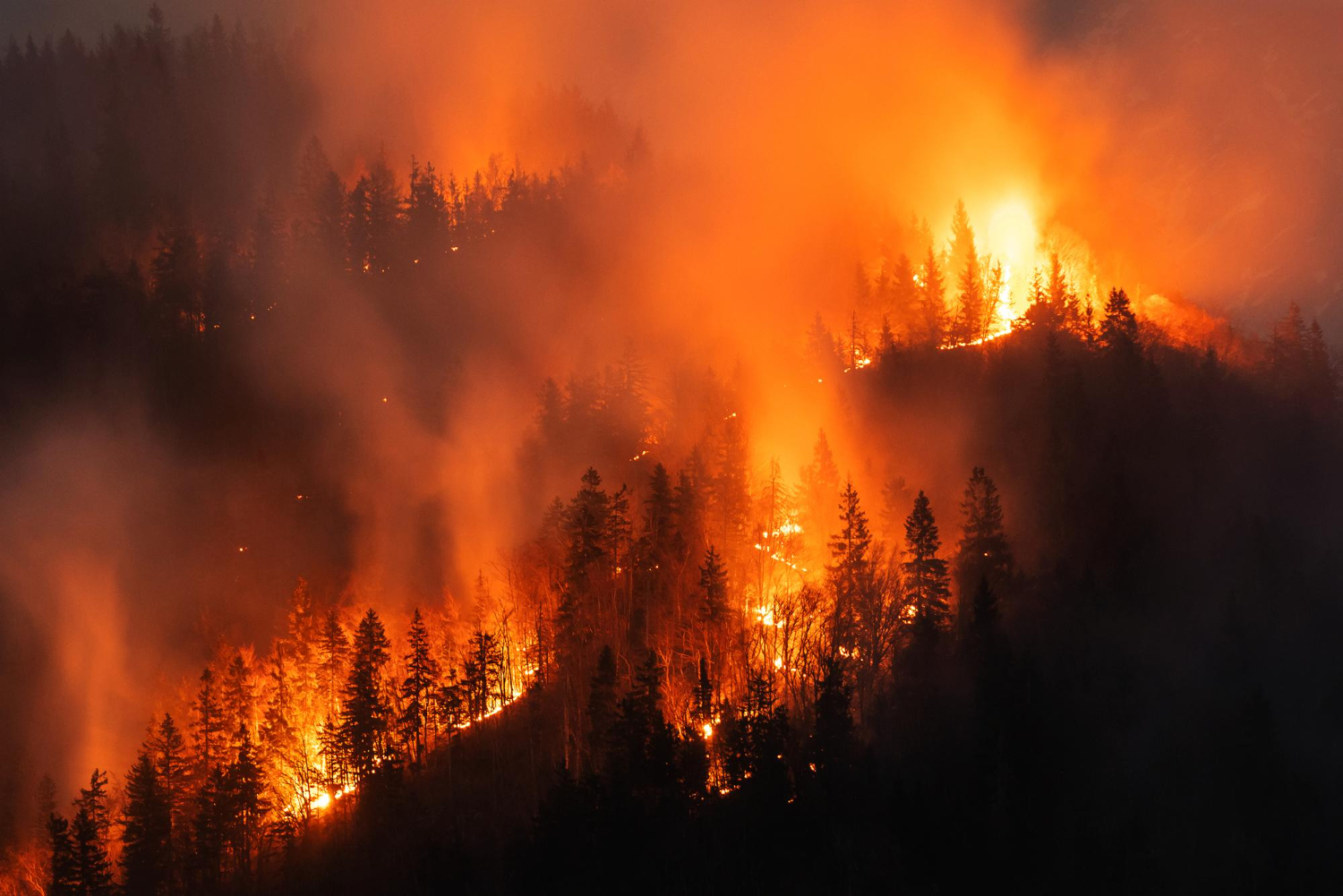
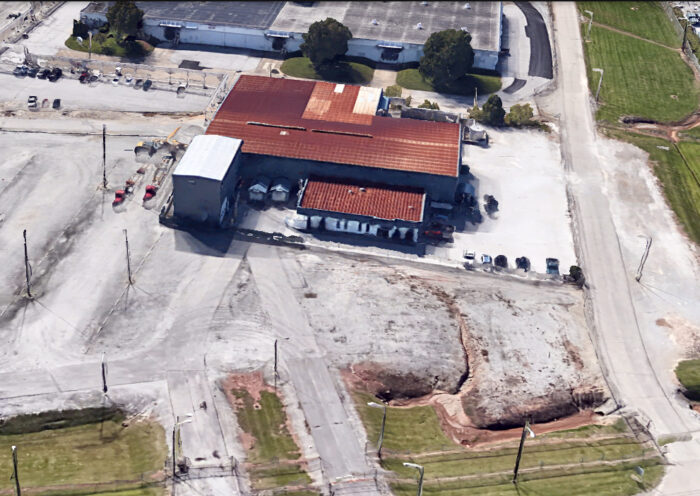
At 9:38 in the morning on April 22, 2026, the first emergency call came in from a chemical facility in Nitro, West Virginia. Within minutes, Kanawha County’s Emergency Operations Center was activated. While workers were decommissioning a tank at Catalyst Refiners, the mixing of nitric acid and a substance called M2000A in a pump area triggered a violent explosion, which released hydrogen sulfide gas, a toxin that causes rapid respiratory failure at high concentrations. Employees were found dragging their coworkers out of the building. First responders arrived to find two workers in cardiac arrest. Emergency medical crews performed CPR on the scene. Both workers died.
One more person was left in critical condition. Roughly 30 others, including seven emergency responders, were treated at area hospitals as a one-mile shelter-in-place order was issued around the facility.
The explosion made national headlines for a day. But what the headlines missed is the story behind the story: this disaster happened at a facility that was not covered by the federal rules designed to prevent exactly this kind of accident. And as investigators began their work, the agency responsible for those rules was simultaneously proposing to make them weaker.
What Happened in Nitro — And What It Took to Respond
The Catalyst Refiners plant in Nitro is operated by Ames Goldsmith Corporation, a precious metals refining company with a history dating to 1860. The facility specialized in recovering silver from spent industrial catalysts and chemical process residues. By April 2026, the site was in the process of shutting down operations. The explosion occurred during decommissioning work, a phase of industrial operations that safety experts recognize as carrying elevated accident risk.
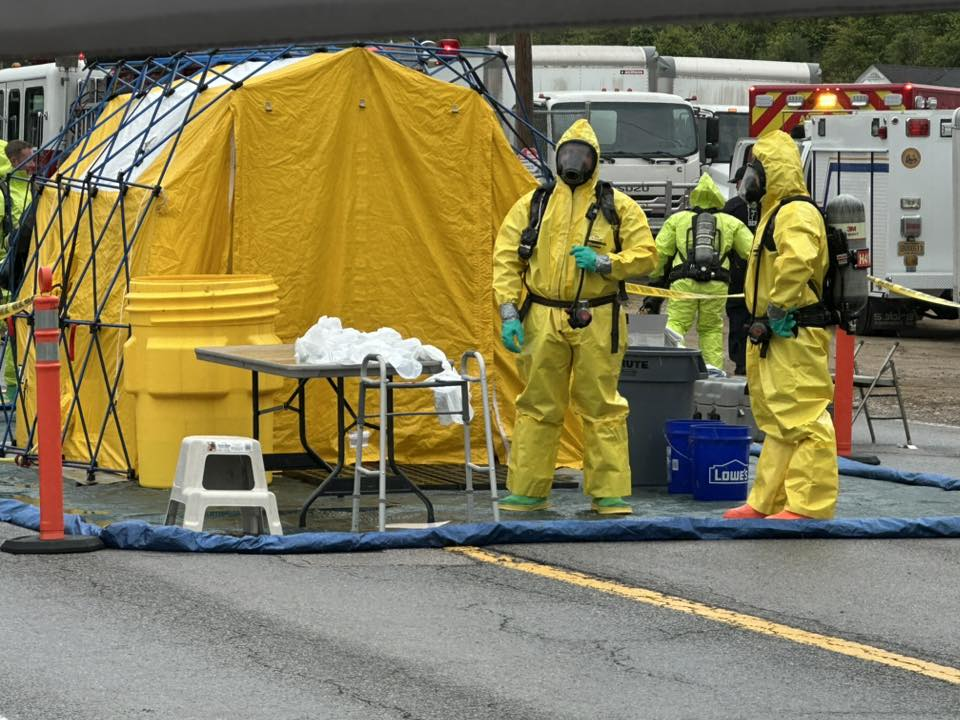
Some workers exposed to the chemicals were decontaminated near the scene, where they removed their clothes and were hosed down by fire trucks. Others were taken by ambulance to area hospitals. Hazmat crews from Charleston and South Charleston fire departments, the Kanawha County Sheriff’s Office, and the Nitro Police Department were all deployed to the site.
“We are opening an investigation into this tragic incident to determine how it happened and identify ways to help prevent something like this from happening again,” said CSB Chairman Steve Owens in a statement released the following day.
Three separate federal and state investigations were launched: by OSHA, the EPA, and the U.S. Chemical Safety and Hazard Investigation Board (CSB). The West Virginia Department of Environmental Protection also opened a full enforcement investigation. The results of those investigations are still pending.
Not an Accident — A Pattern
For anyone familiar with West Virginia’s Kanawha Valley, the Nitro explosion was not a shock. It was the latest chapter in a long and documented history.
The Catalyst Refiners facility has a lengthy history of chemical incidents, relaxed regulations and hundreds of pounds of emissions of nitric acid, the same corrosive, toxic acid that officials say resulted in the deadly reaction. In 2013, a tank leak at the same plant spilled 50 gallons of nitric acid, injuring two workers. Another chemical spill followed the next month. In 2018, the facility received a federal workplace safety violation from OSHA.
Since 2018, the parent company Ames Goldsmith has accumulated at least five other workplace safety citations at U.S. facilities. In 2022, OSHA cited a company plant in New York because pipelines were not labeled to show the correct flow of dangerous gases, putting 70 people at risk of exposure to nitric acid and other toxic gases.
The region surrounding the plant has its own history. The Kanawha Valley is known locally as “Chemical Valley”, a name earned through decades of industrial accidents, toxic releases, and community health concerns. In 2016, the EPA determined that some 177 million Americans (more than half the nation’s population at the time) could be impacted by chemical disaster “worst-case scenario” zones, representing the largest potential reach of a hypothetical accidental chemical release. The Kanawha Valley has long been one of the regions where that risk is most concentrated.
The Regulatory Gap: A Facility That Fell Through the Cracks
Here is where the investigation becomes uncomfortable reading for federal regulators.
Catalyst Refiners’ facility was not subject to the EPA’s Risk Management Program. This federal program requires facilities handling extremely hazardous substances to develop a management plan, identify potential accident effects, and establish emergency response procedures. This was because the chemicals and quantities reported by the company on its Tier II forms for 2025 and 2026 did not meet the program’s threshold for mandatory compliance, according to an EPA spokesperson.
The Tier II system is built on self-reporting. Facilities are required to submit annual chemical inventory forms to local and state authorities. But those forms for the Catalyst Refiners facility were not made available to the public or press upon request. Neither the Kanawha Putnam Emergency Planning Committee Administrator nor the West Virginia Emergency Management Division provided the latest Tier II Emergency and Hazardous Chemical Inventory form for the facility when requested.
Maya Nye, federal policy director at Coming Clean (a chemical safety nonprofit) grew up near the Institute chemical plant site and told the WV Gazette-Mail hours after the explosion: “These incidents are entirely preventable.” On the specific question of whether the Catalyst Refiners facility should have been covered by federal risk management rules, Nye was direct: the lack of coverage “underscores the importance of not rolling back program updates from 2024 like the Trump administration intends.”
The Rollback: Weakening the Rules as the Smoke Still Cleared
On February 24, 2026, the EPA proposed a new rule that would rescind or significantly scale back many of the requirements introduced by the 2024 Safer Communities by Chemical Accident Prevention rule. The EPA framed this as a “common sense approach” aimed at avoiding duplicative requirements.
What the proposed rollback would specifically eliminate is not abstract. The proposal would let existing facilities off the hook for considering safer chemicals and processes; eliminate explicit requirements for facilities to assess and plan for natural hazards and power loss; require fewer facilities to conduct independent safety audits, including those that have previously reported a chemical disaster; and rescind stop-work authority for employees at regulated facilities.
That last point is significant. Stop-work authority means a worker can halt operations if they believe a safety risk is present, without fear of retaliation. Removing that protection from the federal rule means that workers who see a dangerous chemical interaction developing may have fewer legal protections if they choose to stop and raise the alarm.
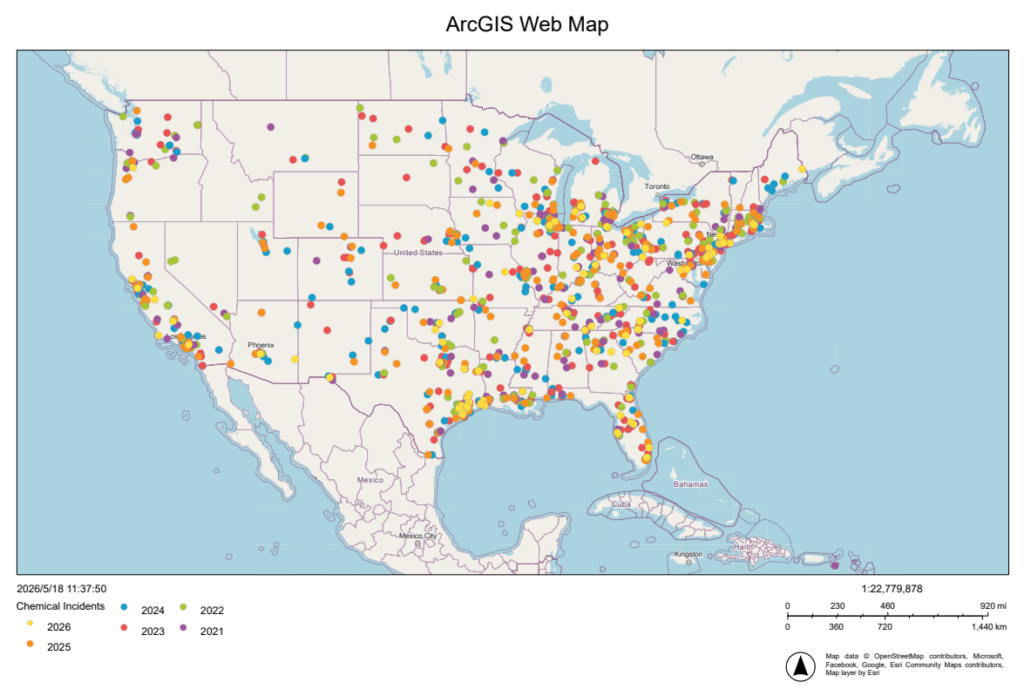
The scale of the ongoing risk makes the timing of the rollback even harder to defend. An accidental chemical release happens every two days on average in the United States, according to an analysis of EPA data by Earthjustice. More than 3,900 industrial chemical releases were reported between 2004 and 2025, including at least 2,814 incidents that resulted in injuries, loss of life, property or environmental damage, or shelter-in-place or evacuation orders.
At least 215 dangerous chemical incidents (including fires, explosions, and toxic releases) occurred in 2025 alone, as documented by the Coalition to Prevent Chemical Disasters. At least 66 of those incidents occurred at facilities regulated by the Risk Management Program.
The EPA also removed a public data tool that had allowed ordinary citizens to see the location and history of chemical accidents near their homes. The Trump administration removed the tool from the EPA’s website in April 2025, following pressure from more than a dozen top RMP-regulated trade groups who urged the incoming EPA administrator to “immediately” take it down.
Who Is Pushing Back
The proposed rollback has not gone unchallenged.
“Dismantling these hard-won protections puts workers, first responders, and millions of people living at the fenceline of hazardous chemical plants in danger. Serious chemical incidents continue to occur across the country, causing preventable injuries, deaths and costly damage to surrounding communities, which are disproportionately low-income and communities of color,” said Darya Minovi, a senior analyst at the Union of Concerned Scientists.
Congressman Raja Krishnamoorthi pointed to more than 6,000 hazardous material incidents reported in Illinois alone between 2020 and 2025, and noted that hundreds of thousands of residents live in chemical vulnerability zones near highly toxic substances such as hydrofluoric acid, benzene, and chlorine. He wrote that the patients, children, and seniors living in these areas “rely on the EPA to prevent these incidents from happening in the first place.”
The Chemical Safety Board, an independent federal agency that investigates chemical accidents, has flagged many of the contested provisions as critical to preventing disasters. Trump’s last two budget requests proposed eliminating the CSB’s funding entirely, dismissing its investigations as “unprompted studies of the chemical industry.” Congress restored the agency’s budget.
Conclusion: Two Deaths and an Open Question
Two workers are dead in Nitro, West Virginia. A third nearly joined them. Thirty more people, including the first responders who ran toward the explosion, were hospitalized.
The facility where they worked was not covered by the federal rules designed for exactly this kind of scenario. The company that operated it had a documented history of chemical incidents and safety violations stretching back more than a decade. Ironically, while investigators were still monitoring air quality around the blast site, the federal chemical safety agency was actively proposing to weaken regulations that experts argue should have applied to the facility all along.
The investigations by OSHA, the EPA, and the Chemical Safety Board will eventually produce findings. What those findings cannot change is the fact that the warning signs were already there: in the safety violation records, in the self-reported chemical inventory forms that regulators never scrutinized closely enough, and in the long history of incidents at a facility operating in one of the most industrially hazardous regions in the United States.
The question now is not only what happened on April 22, 2026. It is whether the people responsible for preventing the next explosion are moving toward stronger oversight or away from it.
The evidence, so far, points in one direction.