
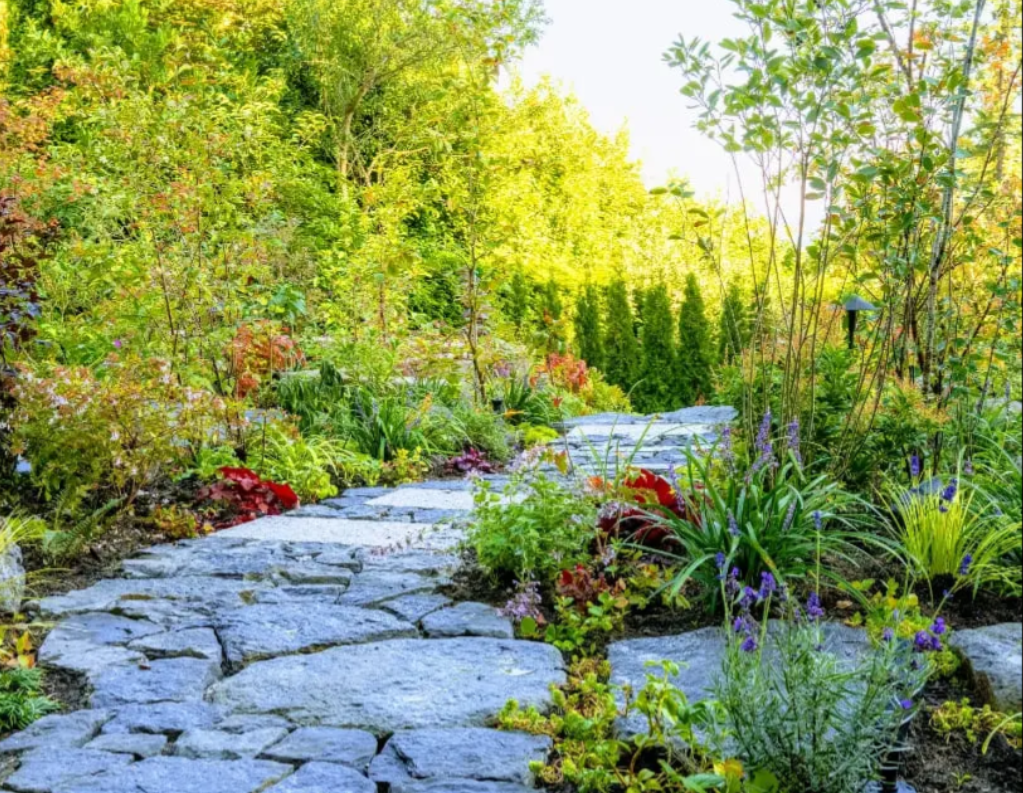
When planning a garden or outdoor space in Vancouver, it is not enough to focus only on visual beauty. Landscape design, like drainage during the rainy season, summer dryness and sunlight, the way shade falls, plant selection, and ease of day-to-day maintenance, all need to be considered.
Landscape design is not only about making a garden look attractive. It is a way to organise how people live in a space: where family members spend time, where people walk, what kind of view can be seen from the windows, and whether the space remains usable after rain.
In Vancouver in particular, outdoor spaces need to suit the local climate and urban environment. This article looks at what to consider before planning landscape design in Vancouver, including rain, drainage, shade, planting choices, and everyday usability.
Outdoor Spaces in Vancouver Are Being Asked to Do More
When thinking about gardens and outdoor spaces in Vancouver, their role has become broader than before. A garden is no longer just a place that improves the impression of a property from the outside. It may also be a place for family time, a quiet place to rest, a space for welcoming guests, or an area that shapes the first impression of a store or office.
Some conditions cannot be judged by appearance alone. Does water collect after rain? Does the space become too exposed to the strong summer sun? Are the plantings suited to the local environment? If these questions are ignored, a garden may look attractive when first completed, but become difficult to use in daily life.
In urban areas, especially, garden and exterior spaces may be limited. Even a small front yard, backyard, patio, or storefront area can become useful for daily living or business when its purpose is clearly defined. If plants and paving are added without a clear purpose, the space can become difficult to manage and unclear in function.
That is why, when considering landscape design in Vancouver, it is important to think not only about how the garden should look but also about how the space should be used. By considering climate, site conditions, and daily movement together, an outdoor space can be shaped into a place that supports its everyday life, not just its visual appearance.
Landscape Design Is Not Decided by Appearance Alone
When improving a garden or exterior space, appearance is often the first thing people notice. It is natural to think about whether the space looks tidy from the street, whether it matches the architecture of the building, and whether the plants and materials fit personal taste.
However, an outdoor space is not only something to look at. It is also a place used in everyday life. The design will change depending on where people walk, where they sit, where attention is drawn, and where privacy is needed.
How the Space Will Actually Be Used
The way a garden is used depends on the people who live there or the purpose of the property. A space for family meals, a quiet place to relax, an area where children or pets can move comfortably, and a storefront designed to improve first impressions all require different layouts and amounts of space.
If the use of the space is not clear, it is easy to end up with a garden that looks beautiful but is not practical. When the intended use is clarified from the beginning, it becomes easier to choose plantings, paving, lighting, circulation routes, and seating areas.
Movement and Sightlines Shape the Impression of a Garden
In an outdoor space, the way people move is important. If the path to the entrance, the route into the garden, and the connection to a patio or deck feel natural, the garden becomes easier to use in daily life. If paths are difficult to walk through or unclear in purpose, even a well-designed space may not be used often.
Sightlines also matter. What can be seen from inside the house? How can views from neighbouring properties or the street be softened? What kind of view appears when someone sits down? A garden is not only something seen from the outside. It also becomes part of the view from indoors.
Maintenance Burden Is Largely Decided at the Design Stage
The amount of maintenance a garden requires is often determined less by effort after completion and more by decisions made during the design stage. Plant growth rate, leaf drop, watering frequency, ease of pruning, and how materials age are all factors that are chosen and adjusted while the plan is still being developed.
Maintenance is not something to think about only after the garden is built. It is one of the input conditions for the design itself. When ease of maintenance is included from the beginning, a garden is more likely to become a space that supports daily living or business over time, rather than a temporary improvement in appearance.
Rain and Drainage Matter in Landscape Design in Vancouver
When planning an outdoor space in Vancouver, the way rainwater is handled is an important consideration. Annual precipitation around Vancouver varies by observation point, but the urban area receives around 1,100 to 1,500 millimetres of rain per year, with higher totals in areas closer to the North Shore mountains. Much of that rainfall is concentrated between October and March. Gardens in this city spend nearly half the year being shaped by what happens after rain.
Even if a garden looks well arranged, it can become difficult to use if water collects after rainfall or if the soil becomes muddy. Drainage issues are not always visible when a garden has just been completed. The slope of paved areas, soil conditions, planting locations, and the direction of water flowing from roofs and paths can all affect how usable a space feels during and after rain. When designing a garden, it is important to consider not only how it looks on sunny days but also what happens after rainfall.
Rainwater Should Not Simply Be Pushed Away for Landscape Design
When thinking about rainwater, it is easy to imagine moving it off the property as quickly as possible. However, in gardens and exterior spaces, it is also important to consider where rainwater is received, where it is guided, and how it can infiltrate into the ground. If every surface is covered with hard paving, water cannot easily enter the soil and may concentrate in one place.
For that reason, landscape design often uses a combination of planting, soil, gravel, stone, and permeable paving materials to manage the flow of rainwater. Since the City of Vancouver also emphasises rainwater infiltration on residential properties, designing a site to hold and absorb rainwater can matter both for usability and for the relationship between private property and the broader city environment.
Planting and Material Choices Also Affect Drainage
Drainage is not determined only by pipes or slopes. The type of plants used, the condition of the soil, and the materials chosen for paths and patios also play a role.
For example, in areas that hold more moisture in winter, plants such as sword fern or red-osier dogwood may be suitable. In contrast, placing a plant such as lavender, which prefers drier conditions, in a wet area can make it more vulnerable to root damage. The choice between gravel, permeable paving, and more solid paved surfaces will also change how rainwater moves through the space.
To keep a garden usable over the long term, plants and materials should not be chosen only for appearance. They should also be selected according to how wet or well-drained each part of the site is.
Poor Drainage Affects Everyday Usability
Poor drainage affects more than appearance. It can make parts of a garden difficult to walk through after rain, leave water on patios and paths, damage plantings, and make moss or stains more noticeable in damp areas.
This is especially important for family gardens and storefront spaces, where people need to move safely after rain and where entrances, seating areas, and paths must remain usable. When planning landscape design in Vancouver, rain and drainage should not be treated as issues to fix later. They are elements to consider from the earliest stage of the plan.
Shade, Summer Dryness, and Seasonal Change Also Shape the Design
Vancouver is often associated with rain, but garden planning also needs to account for summer dryness and sunlight. Municipalities often introduce watering restrictions during summer, and average monthly rainfall can drop to around 40 millimetres in July and August. Plants may struggle in summer if a garden is planned only for the wetter months. Areas exposed to strong sunlight might also become less comfortable to use.
Outdoor spaces are used differently depending on the season. In spring and summer, people may spend more time outdoors. Autumn, fallen leaves, and changing colours alter the mood of the garden. In winter, evergreen plants and the shapes of bare branches become more important to the view. Landscape design should consider not only one season but also how the space will look and function throughout the year.
Shade Is Part of Comfort, Not Decoration
Whether a garden or patio has shade can affect how usable it feels. In areas with strong sunlight, it may be difficult to spend time outside for long periods during summer afternoons. In contrast, spaces shaded by buildings or trees can become more comfortable for resting, eating, or reading.
Shade is not only about avoiding heat. It can soften sunlight around windows, protect plants from intense exposure, and give the entire garden a calmer impression. Thinking about where sunlight enters and where shade falls can change how the garden is used.
Plants Should Be Chosen for Local Conditions
When choosing plants, it is important to consider not only visual preference but also whether the plant suits the conditions of the site. The Vancouver area, as part of British Columbia’s South Coast, falls within hardiness zones 7 to 8b. Its relatively mild winters allow for a broad range of plants. The popularity of rhododendrons and azaleas in the city is partly because of their compatibility with the local climate.
However, conditions can differ even within the same garden. A spot close to a building may be shaded. A path edge may dry out more quickly. Near a road, ease of maintenance and mature plant size also matter. Shade near the building may suit hostas or ferns. Part-shade areas may work well for vine maple or Japanese maple. Drier path edges may suit ground covers such as kinnikinnick. Sun exposure, moisture, wind, and soil conditions all affect which plants are appropriate.
Choosing plants that suit the local climate helps a garden remain easier to maintain over time. Instead of forcing difficult plants into unsuitable locations, selecting plants that can grow naturally in each part of the site often creates a calmer and more sustainable landscape.
Landscape Design for Seasonal Change
A garden changes over time. Plants grow, leaf colours shift, and branch structures gradually change. Seasonal change is part of the appeal of a garden, but the amount of maintenance required to manage that change depends on the way people live.
For example, adding many deciduous trees that look beautiful in spring and summer will also increase leaf cleanup in autumn. If regular watering is difficult during dry summer periods, it may be more realistic to focus on drought-tolerant planting. In Vancouver’s outdoor spaces, it is important to consider both how the garden should look throughout the year and how much seasonal work can realistically be maintained.
What to Check Before Starting a Landscape Design Project
When considering a landscape design project, it is easier to begin by clarifying the role of the garden or outdoor space rather than choosing detailed designs or materials first. When hiring help for garden planning in Vancouver, it is important to be able to discuss not only the desired finished image but also the site conditions and daily use of the space.
What Problem Should the Garden Solve?
The first point to clarify is what problem the garden or exterior space should solve. Is the goal to improve appearance, create a place for family time, make paths easier to walk through, or increase privacy? Each goal leads in a different direction for the plan.
For example, even in the same backyard renovation, the layout, planting, and seating will differ depending on whether the space is meant for hosting guests or for quiet relaxation. In a storefront space, the ease of movement may matter as much as the exterior impression.
If the purpose is unclear, it becomes harder to decide the direction of the design. Before consultation, it helps to organise what is currently causing problems, what should be changed, and what should be kept.
Does the Designer Understand Local Climate and Site Conditions?
When choosing a landscape designer, it is important to look not only at design style but also at the designer’s understanding of local climate and site conditions. In Vancouver, winter rain, summer dryness, shade patterns, and soil conditions directly affect how usable a garden will be.
Even gardens that look similar can require different approaches depending on site orientation, distance from the building, relationships with neighbouring properties, existing trees, and ground slope. When consulting a designer, it is helpful to look not only at past projects and aesthetic style but also at how the designer evaluates the site and what criteria they use when selecting plants and materials.
Can You Talk About What the Garden Will Be Like Years Later?
A garden is not finished the moment construction is complete. Plants grow, materials age, and the way people live may change over time. Since the maintenance burden is largely shaped at the design stage, the ability to discuss this openly is an important factor when choosing a designer.
Where will fast-growing plants be placed? How much pruning or watering is expected? How will paving or wood materials change as they age? If a designer can speak specifically not only about the finished image but also about the garden’s condition several years later and the maintenance it will require, the space is more likely to remain usable over the long term.
Considering Japanese Garden Principles
When thinking about landscape design in Vancouver, function and climate response are important. But they do not determine the entire character of a garden. Because outdoor spaces are seen every day, it also matters whether they feel calm, comfortable, and pleasant when viewed from indoors.
In this sense, Japanese garden principles offer ideas that can work well in modern outdoor spaces. They use stone, planting, open space, and sightlines to create views that do not feel overly assertive. Even in a small garden, elements of this approach can be introduced around an entrance, backyard, patio, or small space outside a window.
Vancouver is also a place where this approach can feel compatible with the local environment. The city’s rain can support moss in suitable areas. Plants such as maples, rhododendrons, and azaleas are familiar in Japanese garden settings and can suit the local climate. The presence of a full-scale Japanese garden, such as Nitobe Memorial Garden, also gives residents a nearby example of how these ideas can be experienced in person.
However, recreating a Japanese garden exactly as it might appear in Japan is not the goal. Vancouver’s winter rain, summer dryness, and residential site conditions all require adjustments in plants and materials. The aim is not simply to make a garden look Japanese, but to create a space that can be maintained naturally in its setting and used comfortably in daily life. A calm outdoor space is often created not by adding special decorations, but by choosing necessary elements carefully and reducing what is excessive.
For those considering landscape design in Vancouver, one option is to consult a specialist who understands local climate and site conditions while also thinking carefully about how a garden is experienced in daily life. When Japanese garden principles are adapted to the plants, materials, and uses that fit the local environment, they can become part of a practical and sustainable outdoor space.
Climate-Aware Landscape Design Starts Close to Home
Thinking about landscape design in Vancouver is not only about improving the appearance of a garden. When rain, shade, planting choices, and everyday use are considered together, an outdoor space can become easier to use over the long term.
A garden or exterior space does more than shape the impression of a home. It is also a place where people encounter nature in their daily lives. The view from a window, the route taken when stepping outside, how usable the space is after rain, and whether there is shade in summer all affect everyday comfort.
Private garden design is also connected to the urban environment. How rainwater is received, how greenery is preserved, and how heat and dryness are managed are issues that can be considered around homes and storefronts, not only in large-scale development. The way small outdoor spaces are designed is also part of creating a city that responds to its climate.
When reviewing a garden or outdoor space in Vancouver, appearance, usability, and climate response should not be treated as separate concerns. The question is how they can work together in one space. By choosing plants and materials suited to local conditions, and by organising movement and open space around real patterns of daily life, a garden can become more than temporary decoration. It can become a place that supports everyday living.
Climate-aware landscape design is not needed only in special places. It can begin with a home garden, a small storefront space, a patio, or an entrance area. Thinking about how to shape outdoor space can also become a way to reconsider the relationship between daily life and the environment in Vancouver.