
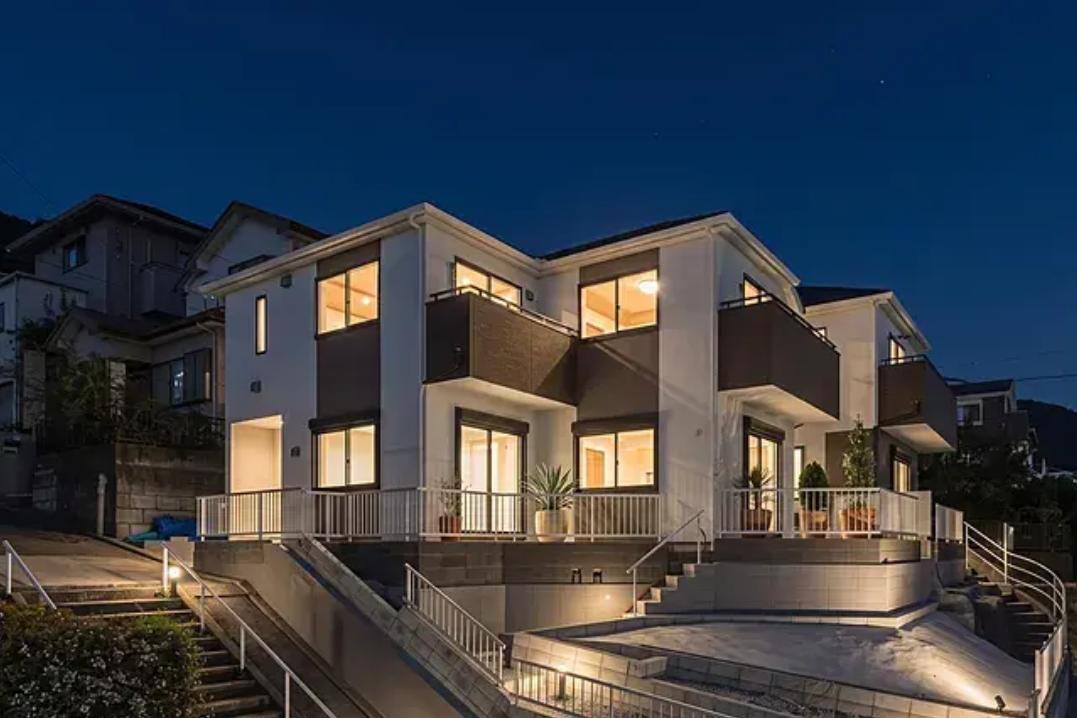
Headlines this year have talked about Japan “cracking down” on foreign property buyers. The actual changes are narrower than that. Japan still has no law that stops a foreign national from owning land or a house, and nothing enacted in 2026 changes it. What has changed is the paperwork, the tax treatment of some fees, and how much preparation overseas buyers need. For anyone working out how to buy a house in Japan, the process comes down to five steps.
The Rules Behind the Headlines
Under Japanese law, foreign buyers have the same property rights as citizens. Buyers do not need citizenship, a visa, or residency, and non-residents can complete a purchase entirely from overseas. Owning a house also gives no right to a visa, so buying and immigration are separate questions.
Three 2026 changes matter most
A Bank of Japan report
From April 1, 2026, a non-resident who acquires real estate must file a report with the Minister of Finance, through the Bank of Japan, within 20 days under the Foreign Exchange and Foreign Trade Act. Buyers of a personal home were previously exempt. That exemption is gone, though the reporting duty itself dates back to 1998.
Nationality disclosure
Revised registration rules require new owners to state their nationality in the property registry. It is a registration requirement, not a purchase restriction.
Brokerage tax
Brokerage fees for non-resident clients were previously treated as an export of services and carried no consumption tax. Industry sources report that this changes from October 1, 2026.
A separate security discussion is still open. The government has been assembling a framework for land near defense facilities and border islands, but no bill before the Diet would stop a foreigner from buying an ordinary home.
Step 1: Build a Realistic Budget
The listing price is only part of the cost. Total purchase costs typically run 5% to 6% of the price, covering agent fees, registration, stamp duty, and taxes. Buyers using a mortgage should add roughly 1% to 2% in bank fees. These costs fall due at closing, so they have to come from cash on hand rather than from the loan.
Ownership brings recurring costs too. Annual property tax, insurance, repairs, and utilities all continue after the purchase. Non-resident owners often hire a local manager to handle payments and upkeep.
Step 2: Sort Out Financing Early
Financing is the real hurdle for many foreign buyers. The law does not restrict buying, but banks set their own conditions. Permanent residents generally get access to the same mortgage products as Japanese nationals. Most lenders otherwise look for a Japanese spouse or a long employment record in Japan. Foreign residents without permanent residency may face down-payment requirements of 30% to 50%, depending on the lender, and a few banks lend to this group at all. Non-residents living abroad find a Japanese mortgage very difficult to obtain, and most pay in cash.
A buyer who intends to borrow should settle the financing question before house-hunting, since it decides the price range.
Step 3: Choose the Location and Property Type
Japan’s market is less uniform than its reputation suggests. Tokyo’s central wards, such as Minato, Shibuya and Setagaya, sit at one end of the price range. Osaka, Fukuoka and Kyoto offer large city markets, while Hokkaido and Okinawa draw buyers who want space, snow or coastline. Rural akiya, or vacant homes, are often cheap, but some municipal akiya-bank programs and historic districts attach renovation or occupancy conditions.
Two checks apply to any house
- Building age: Japan tightened its seismic standards in 1981, so a house’s construction date affects its safety, insurance, and resale value.
- Land rights: Freehold and leased-land arrangements differ in important ways. Buyers should confirm which applies before making an offer.
Most buyers begin by filtering online listings by city, price range and number of bedrooms. After that, a licensed local agent handles viewings and negotiation.
Step 4: Make an Offer and Complete Due Diligence
Once a buyer chooses a house, the usual sequence is a written purchase offer, price negotiation, and a deposit on signing the contract. Before signing, a licensed agent must explain the key legal and physical details of the property, including zoning, building restrictions, boundaries, and any defects. Buyers who do not read Japanese should insist on a reliable translation or an interpreter at this stage.
The documents required depend on the buyer’s status. Residents need identity papers and a resident certificate. Mortgage applicants add income, employment, and tax records. Non-residents need identification that can be authenticated for use in Japan, and they should confirm the details with the agent or a judicial scrivener early, since this paperwork often causes delays.
Step 5: Settle, Register and Report
Typical purchases take 60 to 90 days from the first offer to receiving the keys. At settlement, the buyer pays the balance, and the transfer is registered with the Legal Affairs Bureau. A non-resident then has 20 days to file the Bank of Japan report. Skipping it is the most avoidable mistake for overseas buyers.
After closing, owners should set up payment of the annual fixed asset tax, arrange insurance suited to Japan’s earthquake and typhoon risks, and decide who will look after the property when the owner is away.
The Bottom Line
Japan remains one of the more open property markets in Asia, but the 2026 changes add paperwork and costs that early buyer guides did not mention. Buyers who budget for the full cost, secure financing first, check the building and land rights, and file the required report on time should find the process manageable.