On April 17, Iran’s foreign minister stood before cameras and announced what the world had been desperate to hear: the Strait of Hormuz was open. Oil prices plunged 11% within hours. Relief swept across trading floors from Tokyo to London. Then, four days later, Iran reimposed a complete blockade on all shipping traffic through the strait — and the world was back to square one.
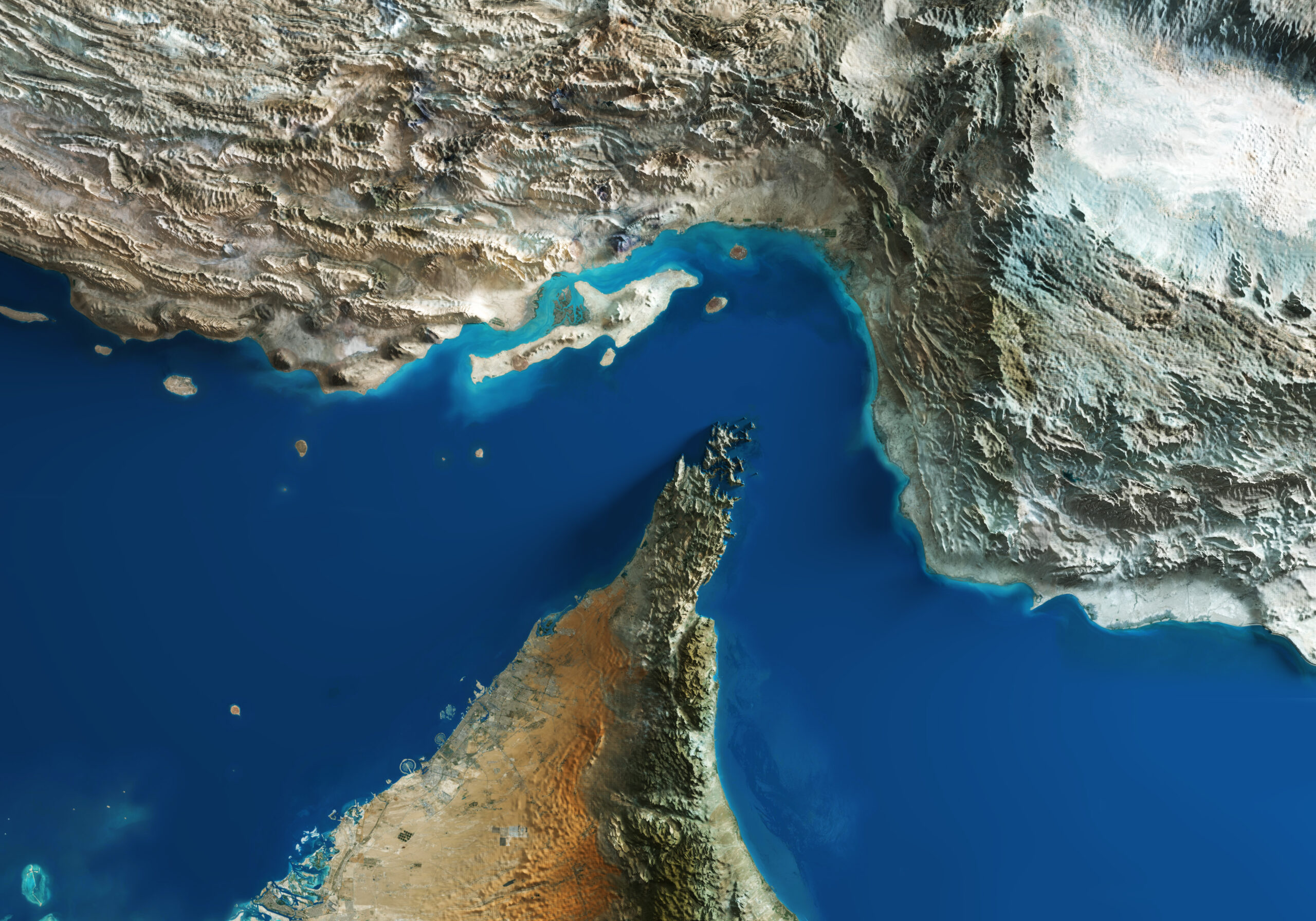
That whiplash tells you everything you need to know about the U.S.–Iran ceasefire. A deal exists on paper. The guns are quiet, for now. But the world’s most critical energy chokepoint — a 24-mile-wide passage through which roughly 20% of all seaborne oil and liquefied natural gas once flowed — remains effectively shut, nine weeks after the crisis began. And the longer it stays shut, the more damage accumulates for every economy on earth.
How We Got Here
On February 28, 2026, the United States and Israel launched coordinated airstrikes on Iranian military targets, killing Supreme Leader Ali Khamenei in the opening hours of the campaign. Iran retaliated swiftly and decisively: it closed the Strait of Hormuz to all foreign shipping, with the Islamic Revolutionary Guard Corps (IRGC) broadcasting warnings to vessels that “no ship is allowed to pass.” Within days, major container lines — Maersk, CMA CGM, Hapag-Lloyd — had suspended operations in the strait entirely.
The scale of what followed is almost without precedent. Before the war, around 3,000 vessels passed through the strait each month, carrying roughly 15 million barrels per day of crude oil alone. In all of March, just 154 vessels made the crossing, according to shipping analytics firm Kpler. Traffic through Hormuz in the past two months has run at approximately 5% of the pre-war average.
A temporary ceasefire framework was agreed on April 8, calling for an immediate halt to hostilities, the reopening of the strait, and a 15 to 20-day negotiation window. But the deal began unravelling almost immediately. Iran linked the strait’s reopening to the situation in Lebanon, accusing Israel of ceasefire violations there. By April 9, the blockade was effectively back in place. When Pakistan-brokered talks in Islamabad collapsed on April 12, the U.S. responded by imposing a naval blockade on Iranian ports, creating what analysts now describe as a “dual blockade” — Iran blocking the Gulf, the U.S. blocking Iran. About 2,000 ships remain stranded in the Persian Gulf, waiting.
The Oil Math: The Largest Supply Disruption in History
The International Energy Agency has described this as the “largest supply disruption in the history of the global oil market” — and the numbers justify that language.
Global oil supply plummeted by 10.1 million barrels per day in March as Gulf producers, unable to export, were forced to shut in their own wells. Iraq, Kuwait, and Qatar began curtailing production in early March as onshore storage reached capacity. The IEA’s April report put Brent crude at around $130 per barrel — roughly $60 above pre-conflict levels — though prices have since eased somewhat on ceasefire optimism.
Even alternative export routes have proven insufficient to bridge the gap. Saudi Arabia’s Petroline pipeline to the Red Sea and the UAE’s pipeline to Fujairah together provide only 3.5 to 5.5 million barrels per day of bypass capacity — a fraction of the 20 million barrels per day that previously flowed through Hormuz.
To put the forward risk in concrete terms: the Federal Reserve Bank of Dallas modelled that if the closure extends through a second quarter, WTI crude could peak at $132 per barrel by July. If it persists through a third quarter, that number reaches $167 per barrel by October — a price level that would represent a structural shock to the global economy. Even the shorter-duration scenarios imply a 2.9 percentage-point hit to annualised global real GDP growth in the second quarter of 2026.
Who Is Bleeding — And Who Is Quietly Winning
The pain is not distributed equally.
Asia is absorbing the worst of it. Before the war, approximately 84% of the crude oil passing through Hormuz was destined for Asian markets, with China, India, Japan, and South Korea collectively receiving nearly 70% of all exports through the strait. All four are now scrambling for alternative supply. Japan released 80 million barrels from its strategic reserves in mid-March — enough to cover just 15 days of domestic demand.
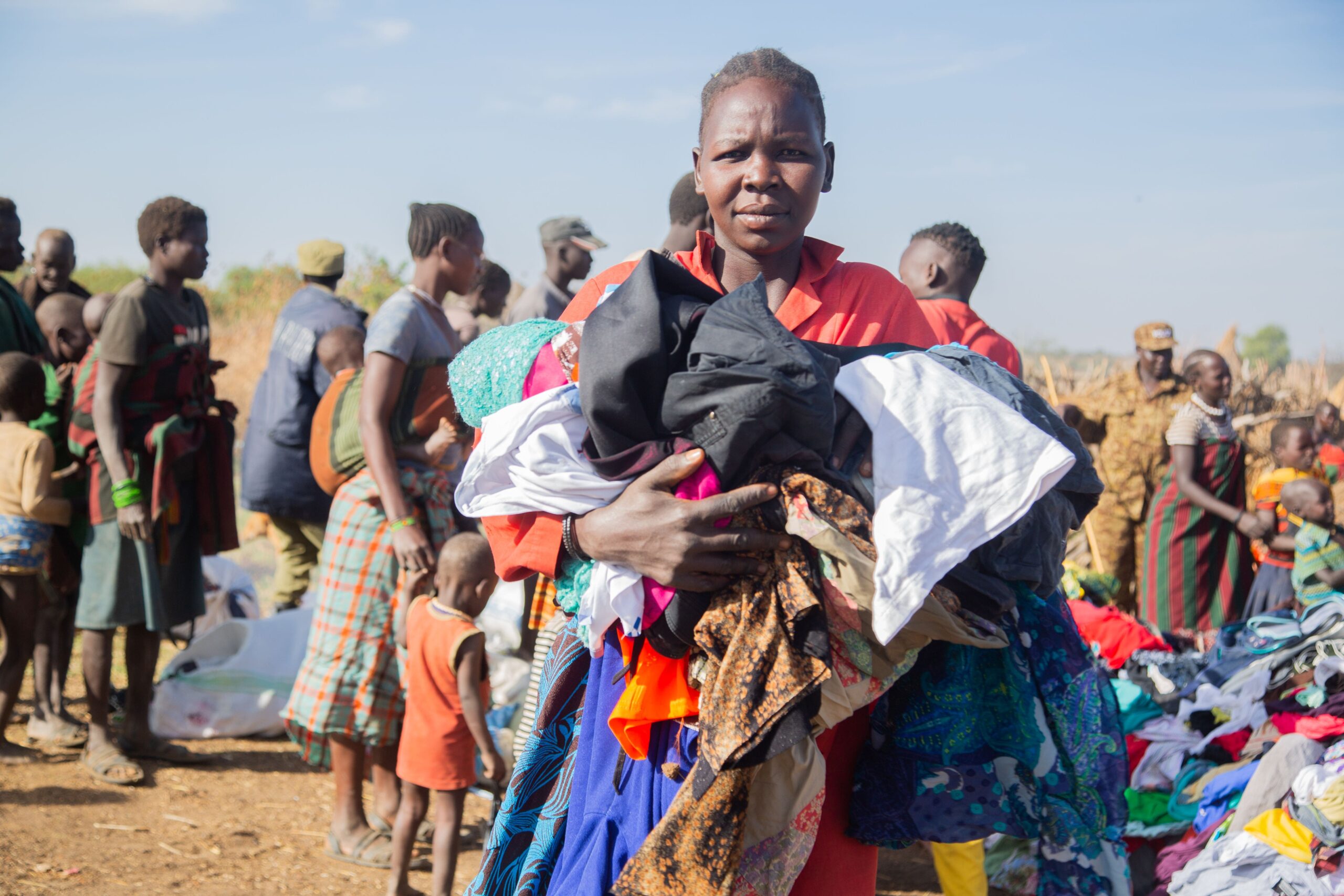
The toll on developing economies is severe. Bangladesh faces recession-like conditions. Pakistan, already under acute fiscal pressure, is managing fuel rationing. Myanmar has restricted private vehicle use to alternate days. Nepal is refilling LPG cylinders at half capacity to extend stockpiles. The Philippines declared an energy emergency in late February. The UN’s International Rescue Committee has warned that prolonged strait closure could tip food-insecure countries toward famine-like conditions, driven partly by disruptions to fertiliser supply — Qatar and the UAE together account for nearly 20% of global LNG exports, all of it routed through Hormuz.
There is, however, one conspicuous beneficiary. The United States — now the world’s largest oil exporter — shipped nearly 12.9 million barrels per day of crude and petroleum products in April 2026. High prices are a problem for American consumers but a windfall for American producers.
The Diplomatic Deadlock
The core dispute is now crystallised around two linked issues: the strait and Iran’s nuclear programme.
Iran’s latest proposal, conveyed to Washington via Pakistan, offers to fully reopen the Strait of Hormuz — but insists that nuclear negotiations be deferred until after the war formally ends. The Trump administration has signalled scepticism. Its position holds that nuclear commitments must be part of any lasting deal, not a subject to be resolved later. Neither side appears willing to move first.
A further complication: even if political agreement were reached today, the strait would not simply reopen. The U.S. Pentagon told Congress on April 21 that fully clearing Iranian-laid mines from the strait could take up to six months, and that mine-clearing operations are unlikely to begin until active hostilities end. Shipping insurers remain largely unwilling to underwrite transits. In one striking incident on April 18, an Indian-flagged tanker — the Sanmar Herald — was fired upon by Iranian military boats even after being granted Iranian clearance to pass.
Three Scenarios for What Comes Next
The situation presents three plausible trajectories.
The first is a rapid resolution: both sides reach a face-saving agreement in the coming weeks, the strait reopens to normal traffic, and prices fall sharply. The IEA’s base-case forecast assumes a resumption of regular deliveries by mid-year, though it acknowledges this “could prove too optimistic.”
The second is a prolonged stalemate: the dual blockade persists through summer and into autumn. At that point, the Dallas Fed’s models imply oil prices approaching $167 per barrel, global GDP contracting sharply, and multiple emerging market economies tipping into financial crisis.
The third — perhaps the most likely near-term outcome — is a fragile partial normalisation. Iran continues to allow select vessels through at toll prices exceeding $1 million per ship. Traffic slowly recovers, but at a fraction of pre-war levels, under constant risk of disruption. The UK and France have already proposed a joint international defensive escort mission for the strait, contingent on a sustainable ceasefire.
What to Watch in the Next 72 Hours
President Trump extended the ceasefire on April 21 with the naval blockade still in place, but reportedly without intending to extend it more than a few days. The ceasefire’s durability depends on whether Iran holds the Lebanon link and whether Washington accepts a sequenced deal that separates strait reopening from nuclear talks.
The strait itself remains the single most important variable in the global economy right now. As the IEA put it plainly in its April report: “Resuming flows through the Strait of Hormuz remains the single most important variable in easing the pressure on energy supplies, prices, and the global economy.”
Nine weeks into this crisis, that variable remains deeply, dangerously unresolved.
Sources: International Energy Agency (April 2026 Oil Market Report), Federal Reserve Bank of Dallas, UNCTAD, Wikipedia (2026 Strait of Hormuz Crisis), CNN, CBC News, Al Jazeera, UK House of Commons Library, CBS News.